First test flight for the new Emergency Communications Network: – Positive
Emergency and preparedness users need good communications even when their missions take place in the air. Nkom has now tested how the technology for air coverage could work in the new Emergency Communications Network.
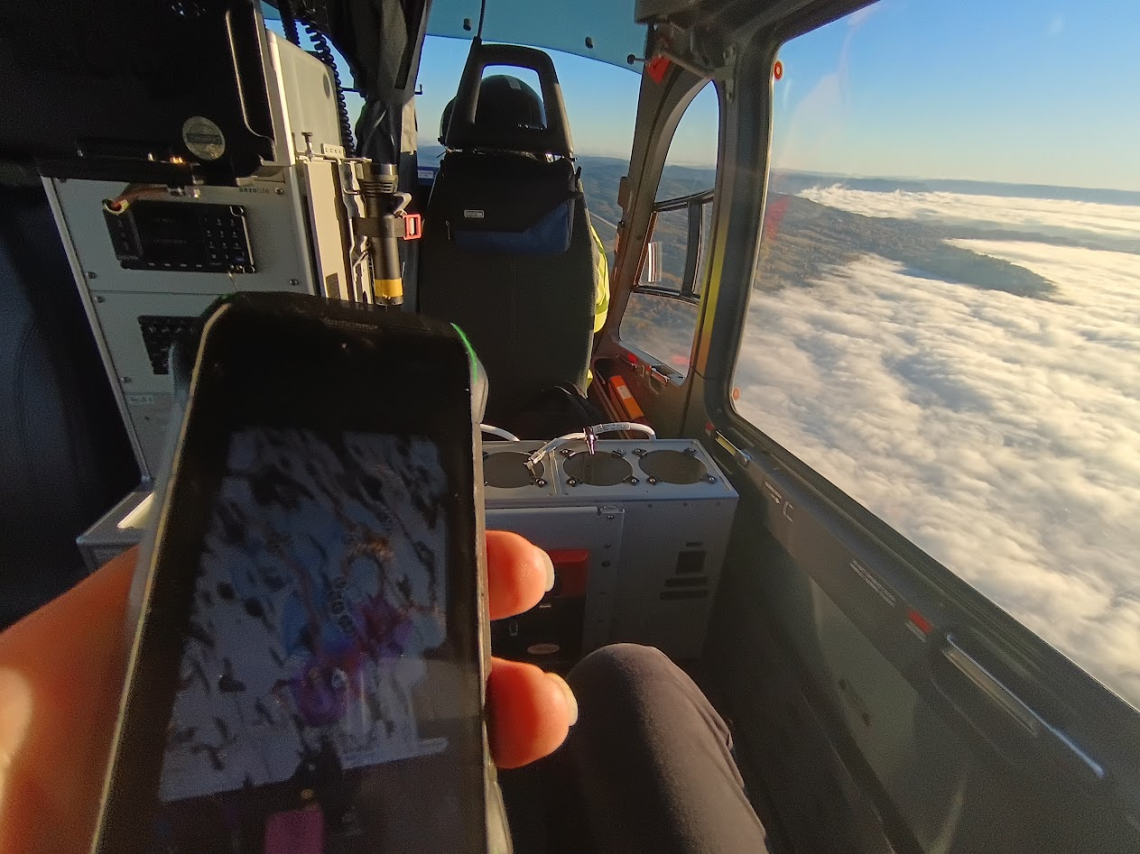
The first test flight was successful and provided important information for the project.
Foto: Photo: Jan Marius Evang, SimulaMET
– This is pioneering work, and it is good to be underway, says Harald Loktu, Specialist Director at Nkom.
The first test flight was recently carried out with an air ambulance from Gardermoen.
Nkom is responsible for the work to establish a new Emergency Communications Network in Norway. It must provide coverage at least as good as the current Nødnett and also work in the air.
The new Emergency Communications Network will use 5G over the national mobile networks, which currently provide coverage primarily on the ground.
And while the current Nødnett is built for voice communications, the new network will also support data and video sharing – including to and from drones and helicopters.
This is why innovation and new technology are needed.
Nkom has established a dedicated test network for air coverage in Eastern Norway.
– We have worked intensively over the past year to establish dedicated base stations. In collaboration with suppliers and partners, a state-of-the-art network has been established, providing coverage across central parts of Eastern Norway, says Loktu.
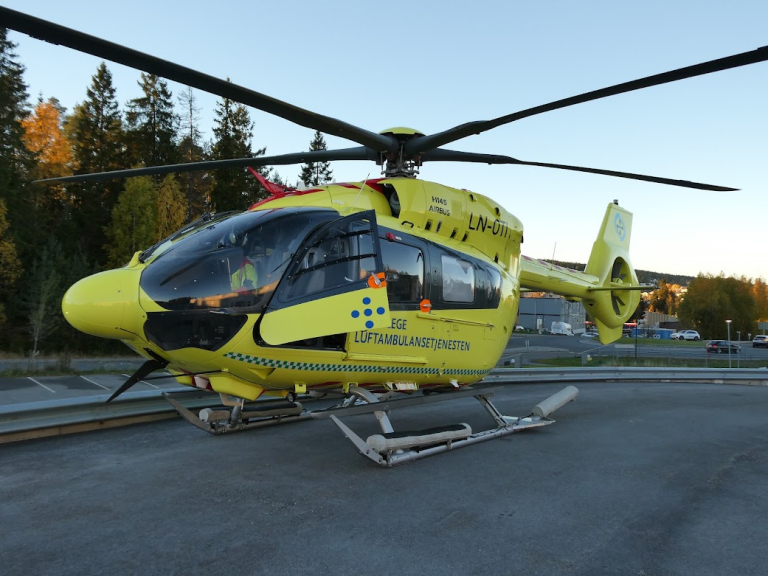
Testing the technology in practice
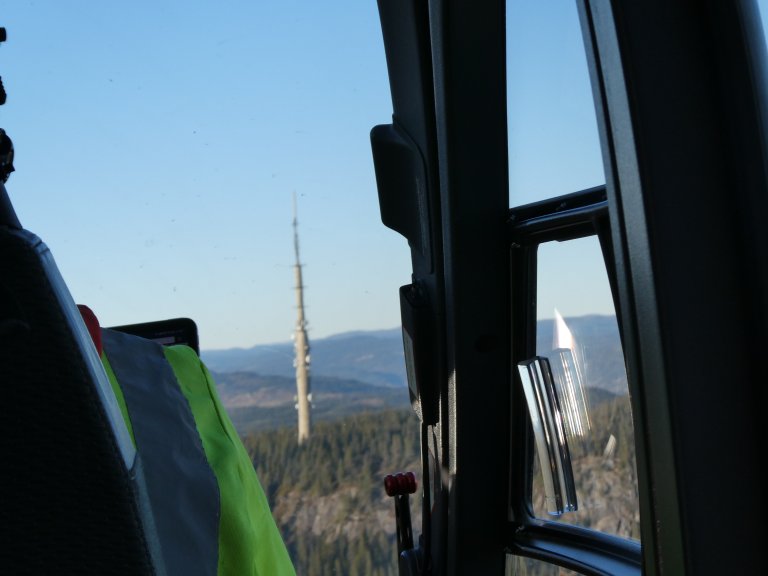
The test network consists of four base stations installed on tall, existing masts in Eastern Norway. It will be used to gain practical experience before recommendations are made on how air coverage in the new Emergency Communications Network should be provided.
Helicopters must be able to communicate from ground level up to operational flight altitudes.
During this first flight, the helicopter received signals from all the base stations it was tested against.
– We cannot expect to have all the answers after the first test, but flying in the coverage area is the closest you can get to experiencing air coverage in real conditions, says Loktu.
The data will now be analysed in more detail to determine how the solution performs at different altitudes and distances, and under different geographical conditions.
– This was positive. We know that all the radio transmitters are on air and that we are able to measure capacity, quality and coverage. We observe that data downloads and uploads achieve speeds close to those expected.
Learning before solutions are selected
The new Emergency Communications Network will introduce new technology in several areas. Testing and development are an important part of the project.
Nkom will test solutions under realistic operational conditions before major investments are made and technologies are selected.
Among other things, the tests will provide knowledge about coverage, capacity, interoperability and ease of use.
– The technology must work in real life, not just on the drawing board. When we get it into a helicopter and can take actual measurements, we gain knowledge that is important when deciding how air coverage in the new Emergency Communications Network should be provided, says Loktu.
The first flight is not a test of the completed Emergency Communications Network, but part of the work to determine which solution should be selected.
– We are still in a testing and development phase. This is precisely why flights like these are valuable. Each test gives us more knowledge and makes us better equipped to set the right requirements for the new Emergency Communications Network.
The new Emergency Communications Network will strengthen communications within the total defence system and will be an important project for national security and preparedness.
FACTS ABOUT THE NEW EMERGENCY COMMUNICATIONS NETWORK